 V.T.E.C.H ELECTRICAL TECHNOLOGY CO., LTD



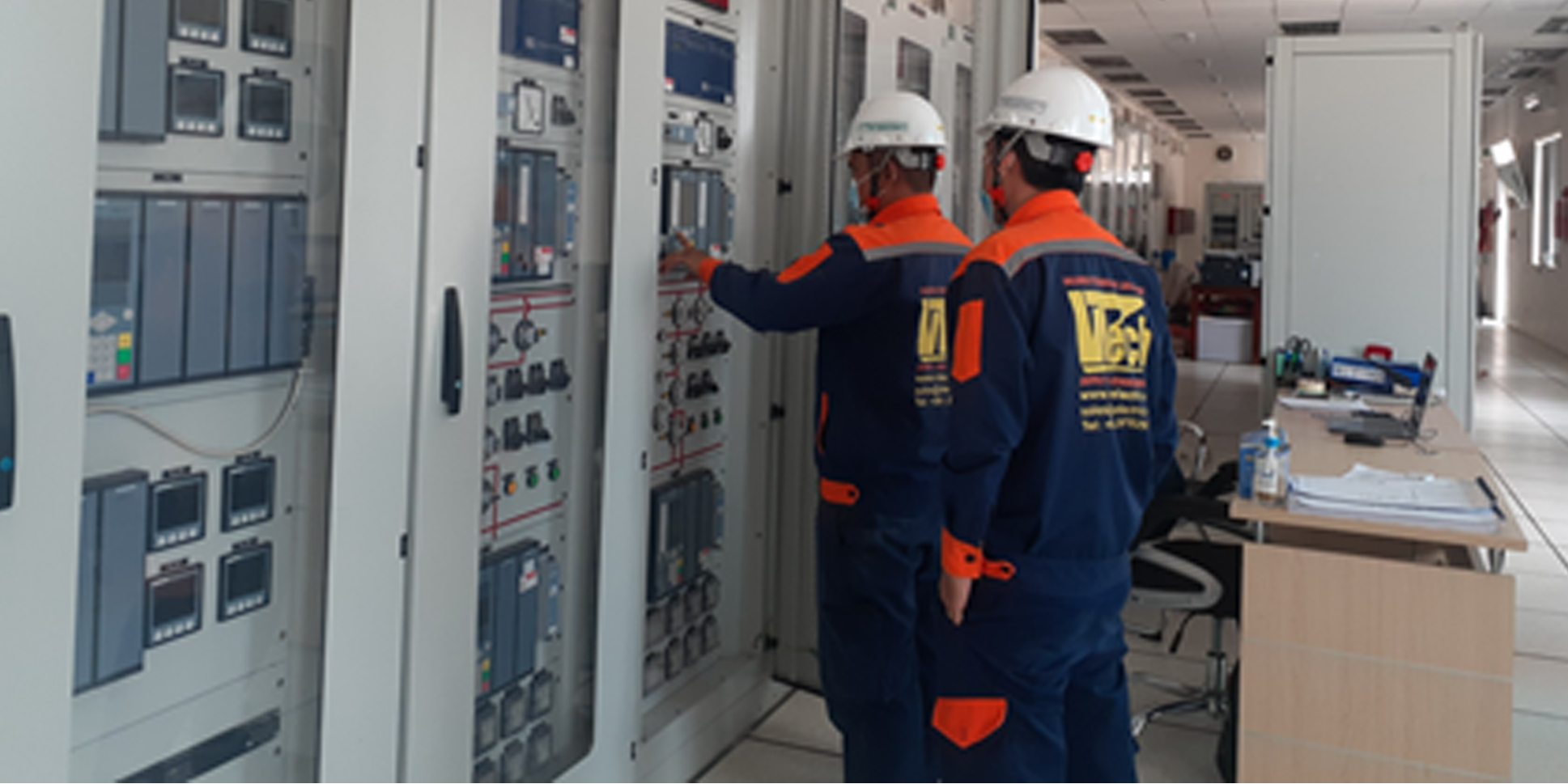
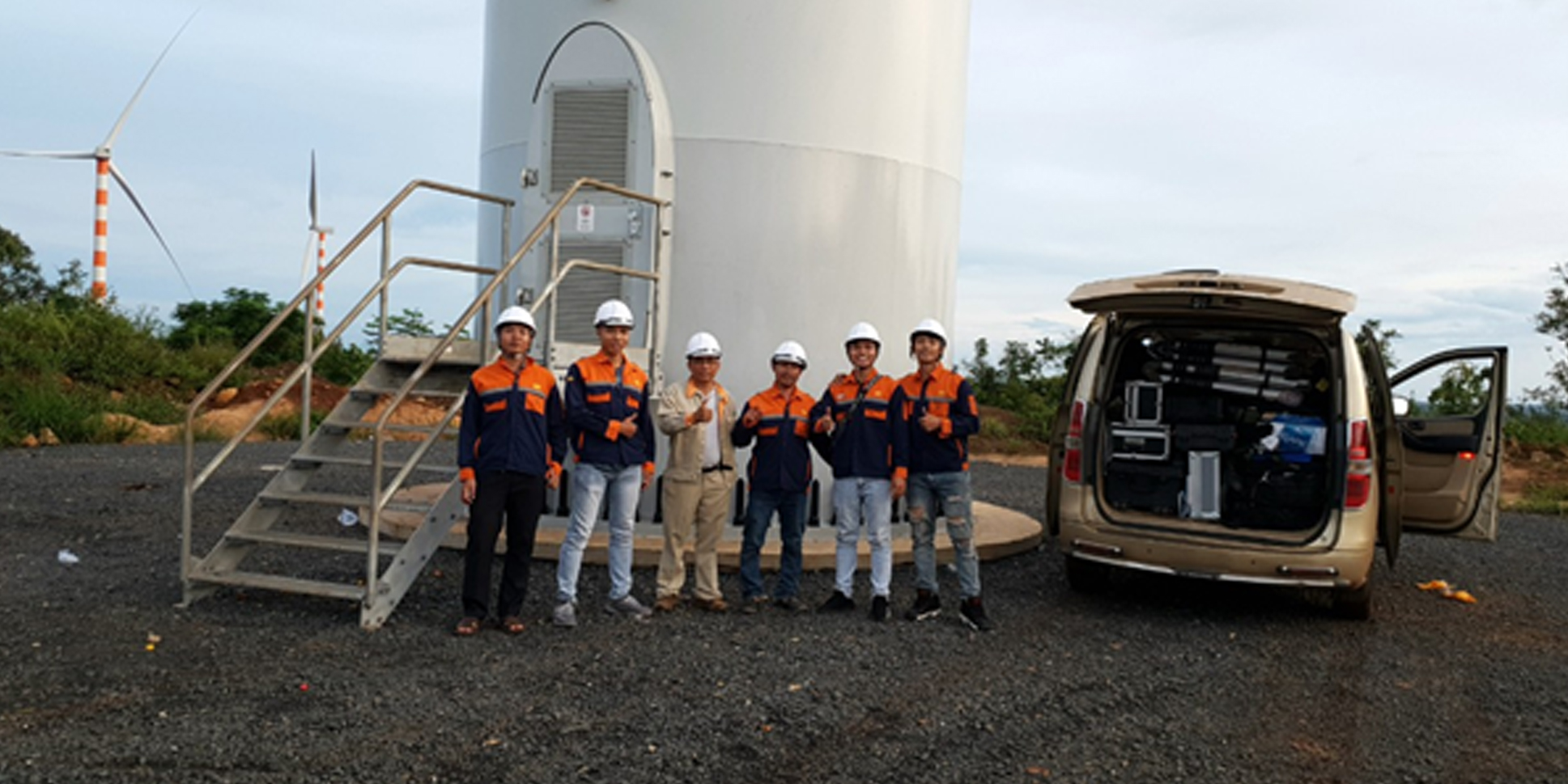
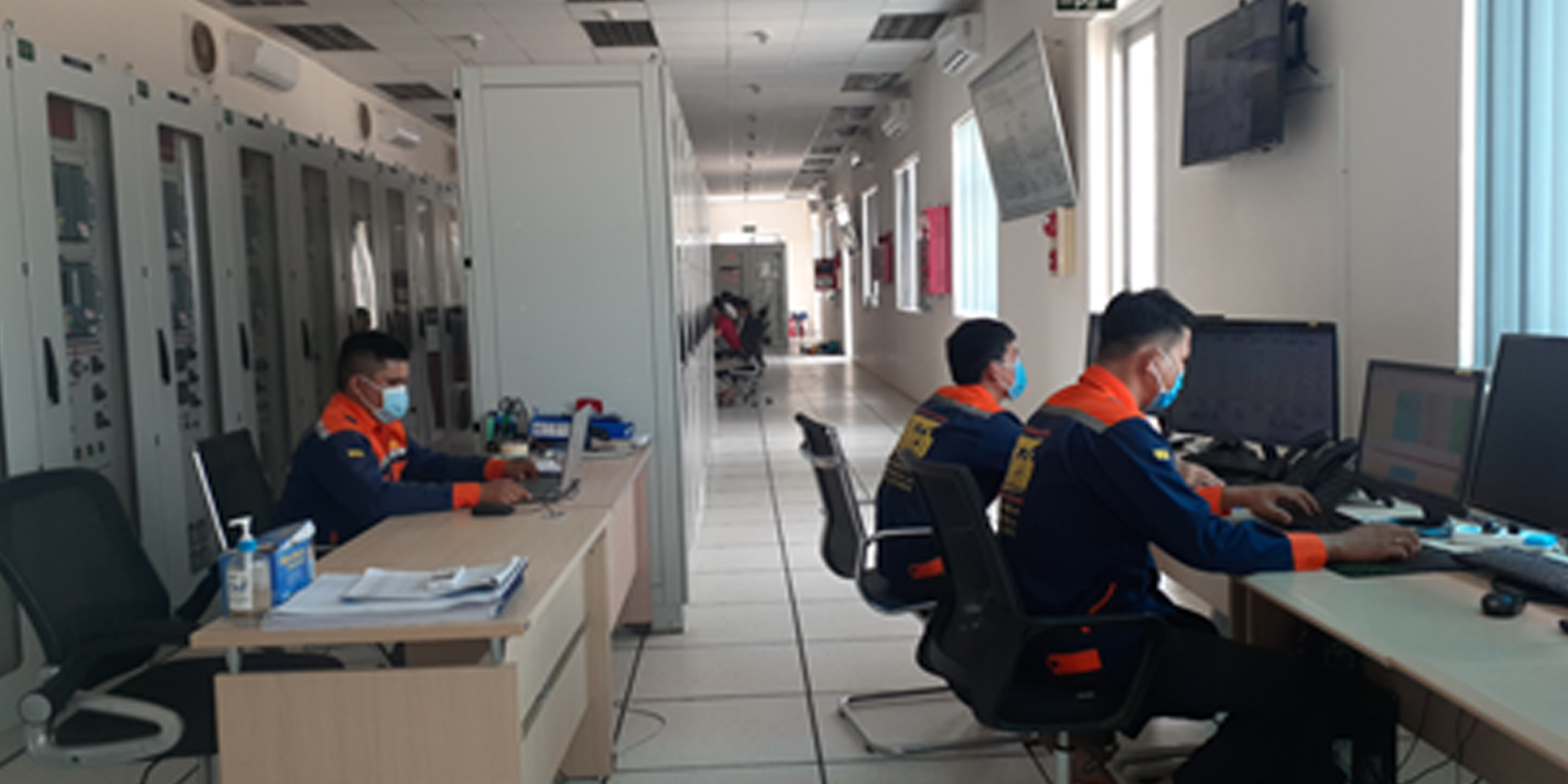

Substations and power transmission lines operating at voltage levels from 110kV to 500kV in coastal areas (exposed to salt fog and sea winds) or near industrial zones, mineral mines, and chemical plants are frequently exposed to surface contamination of electrical insulators.
When salt deposits or industrial dust combine with high humidity (fog, mist, or rain), they form a conductive layer on porcelain and composite insulator surfaces. This increases leakage current, causes surface flashover, leads to power losses, and significantly raises the risk of faults and disruptions across the high-voltage transmission network.
To effectively address these issues without the need for frequent power outages and insulator cleaning, VTECH offers a comprehensive solution: Professional RTV Silicone Insulating Coating Application Services (Room Temperature Vulcanizing).
What Is RTV Silicone Coating and How Does It Protect Electrical Insulators?
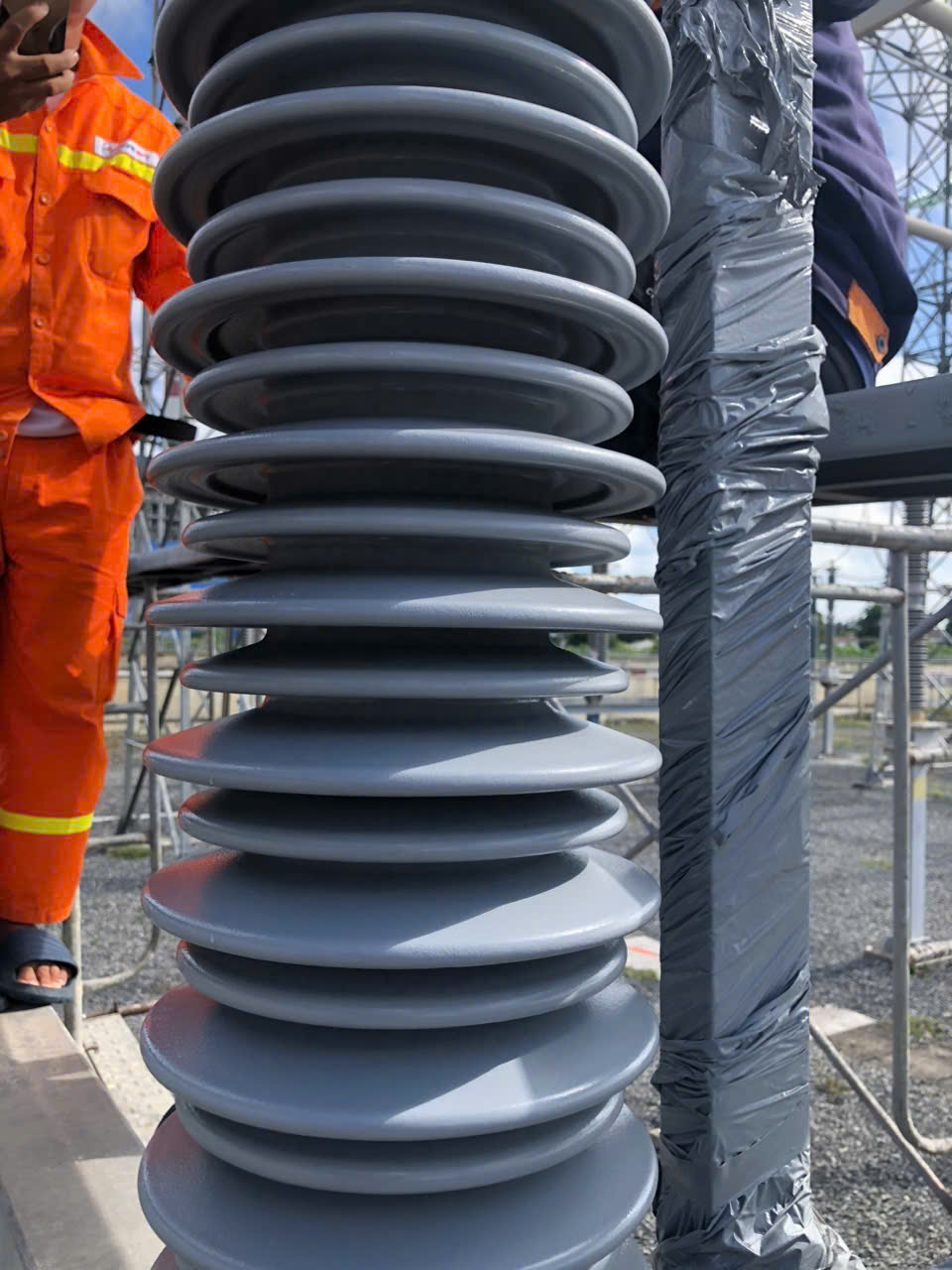
RTV Silicone Insulating Coating is a silicone-based compound that cures at room temperature. When applied to porcelain, glass, or composite surfaces of electrical equipment—including power transformers, shunt reactors, bushings, circuit breakers, and suspension insulator strings—it forms a durable, flexible, rubber-like protective film with excellent dielectric strength and water-repellent properties.
Key Protective Mechanisms and Technical Properties:
- Hydrophobicity: Prevents water from forming a continuous film on the insulator surface by causing it to bead into discrete droplets. These droplets are easily removed by wind or rain, helping wash away accumulated contaminants while minimizing leakage current.
- Hydrophobicity Transfer: Low Molecular Weight (LMW) silicone molecules gradually migrate through subsequently accumulated pollution deposits, restoring and maintaining the hydrophobic properties of the insulator surface over many years of service.
- Excellent Dielectric Performance: Designed for Extra-High Voltage (EHV) applications from 110kV to 500kV, helping suppress corona discharge, minimize surface leakage current, and reduce electrical energy losses.
- Corrosion and UV Resistance: Provides a durable protective coating against prolonged exposure to ultraviolet (UV) radiation, high concentrations of salt spray, and extreme outdoor temperature fluctuations.
Outstanding Benefits of RTV Silicone Insulating Coating
|
Evaluation Criteria |
High-Pressure Water Washing / Manual Cleaning |
VTECH RTV Silicone Coating Solution |
|
Maintenance Frequency |
Every 3–6 months |
One-time application – service life of 10–15 years |
|
Power Outage Requirements |
Multiple outages per year, resulting in high substation downtime costs |
Application optimized within a single maintenance campaign |
|
Flashover Risk |
Risk remains as soon as dust and salt deposits accumulate again |
Significantly reduces the risk of pollution-induced surface flashover |
|
Long-Term Operating Costs |
High labor and maintenance equipment costs |
Optimized lifecycle costs and reduced operating expenses for asset owners |
VTECH's Technical Capabilities and Representative Projects
With a team of highly experienced engineers and specialized application equipment, VTECH is a trusted partner in protecting electrical insulation systems and enhancing the operational safety and reliability of Vietnam's national power transmission network.
Representative Projects and Areas of Expertise:
- 110kV–500kV Substations: 500kV Duyen Hai Substation, 220kV Vung Tau Substation, 220kV Dau Tieng Substation, 110kV Con Dao Substation, and other projects.
- Power Transmission Systems: Implementation of construction, grounding system improvement, and electrical insulation protection works for Power Transmission Companies PTC1, PTC2, PTC3, and PTC4.
- Industrial and Energy Projects: Long Phu 1, Vung Ang 1, Mong Duong, and Ca Mau Thermal Power Plants; Dung Quat and Nghi Son Refinery and Petrochemical Complexes; Formosa Ha Tinh Integrated Steel Complex, and other major industrial projects.
RTV Silicone Coating Application Procedure
Step 1. Site Survey and Assessment
Measure surface contamination levels using Equivalent Salt Deposit Density (ESDD) and Non-Soluble Deposit Density (NSDD) measurements. Assess the existing condition of insulators and determine the appropriate treatment requirements before application.
Step 2. Surface Preparation and Cleaning
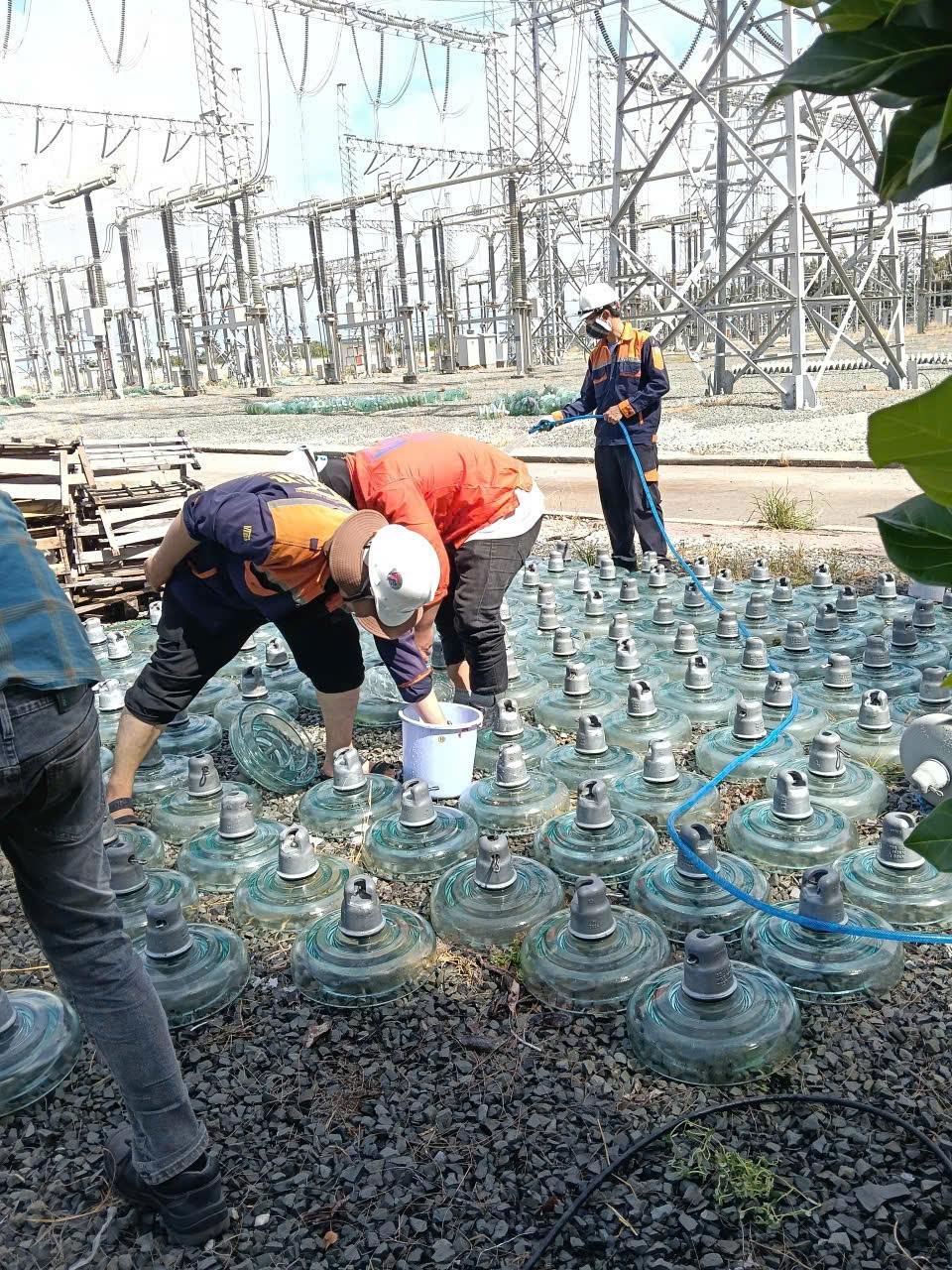
Thoroughly remove accumulated dust, contaminants, grease, and salt deposits from the equipment surfaces to ensure optimal coating adhesion and performance.
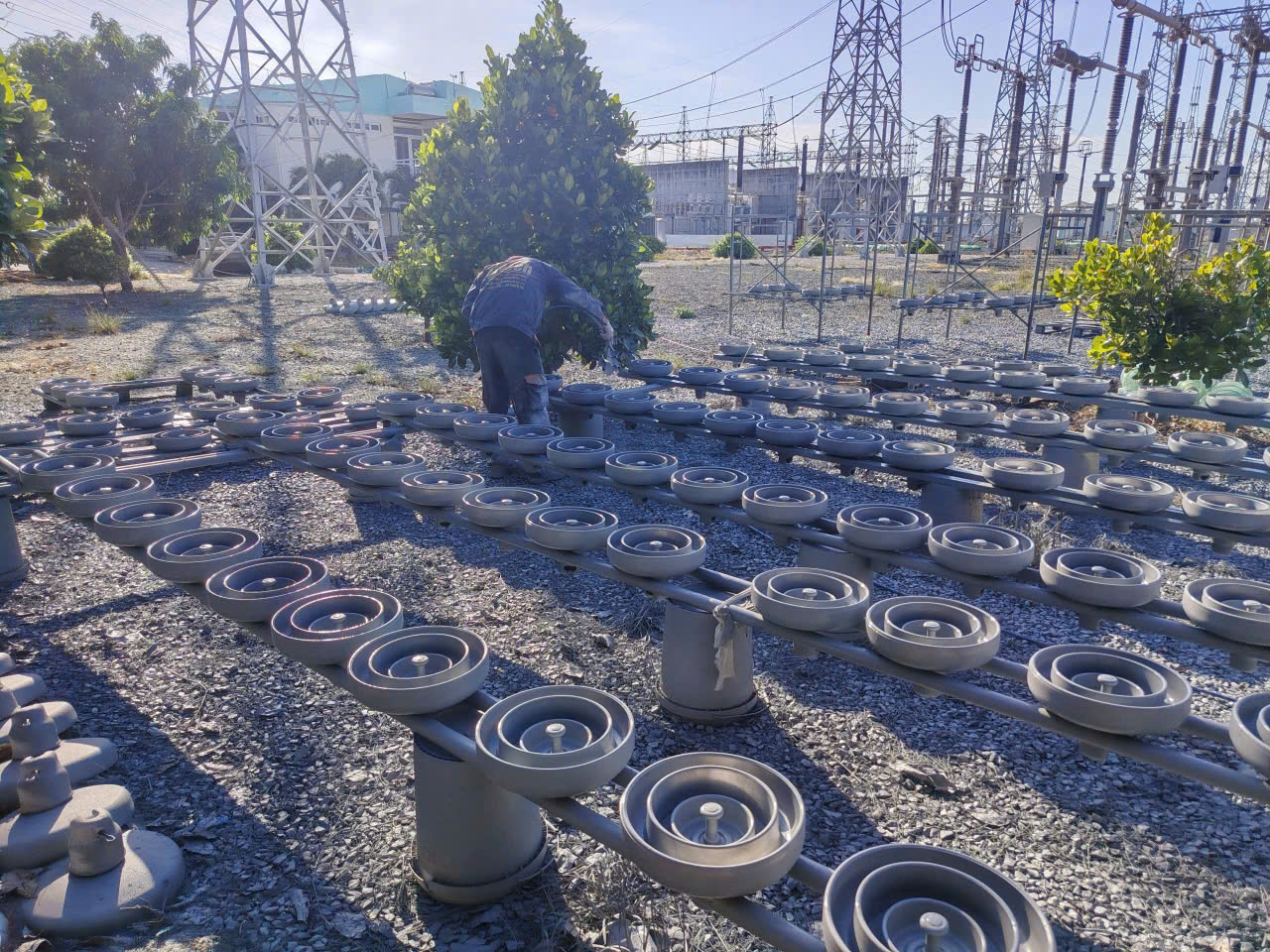
Step 3. Application of Specialized RTV Silicone Coating
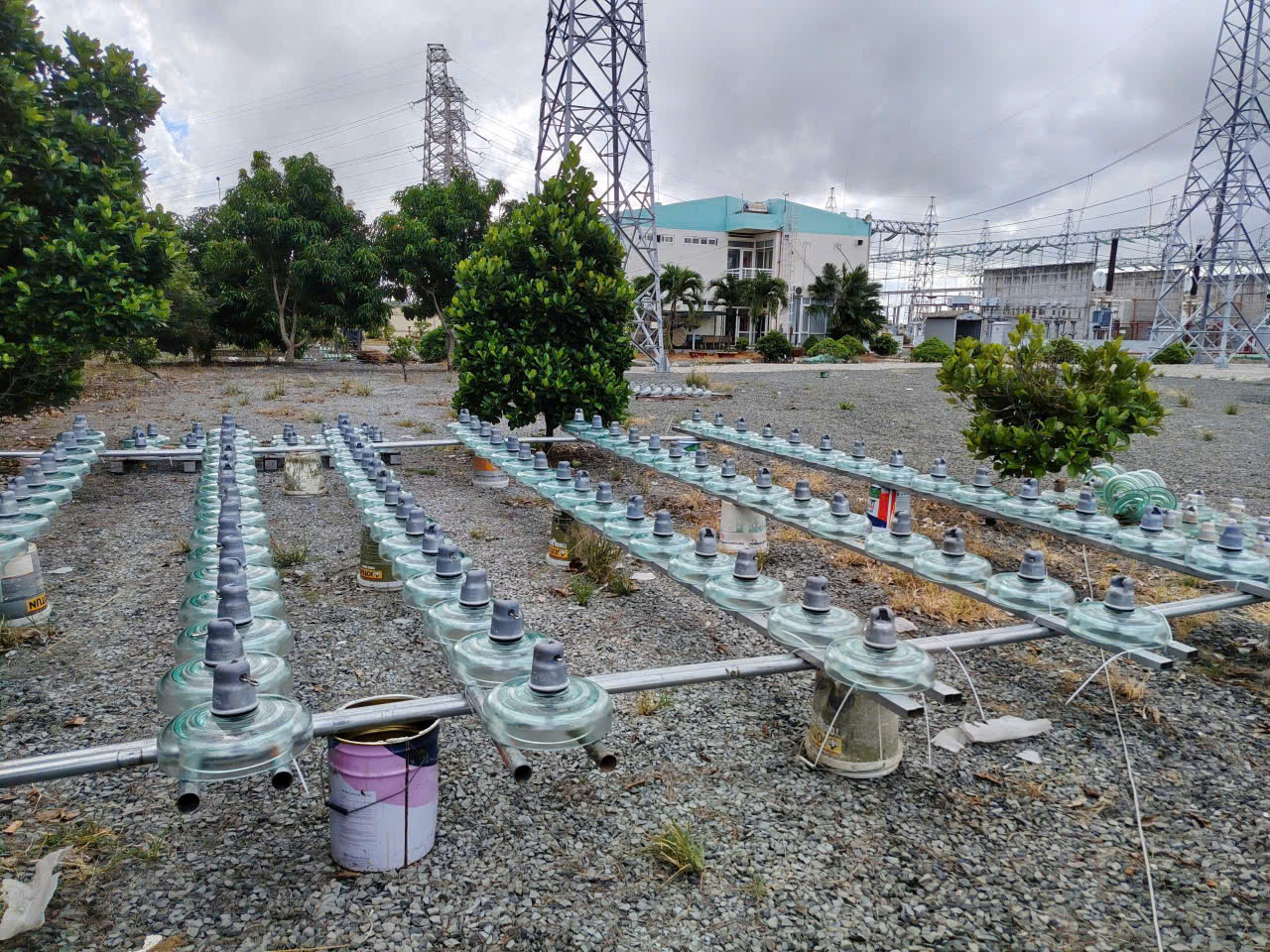
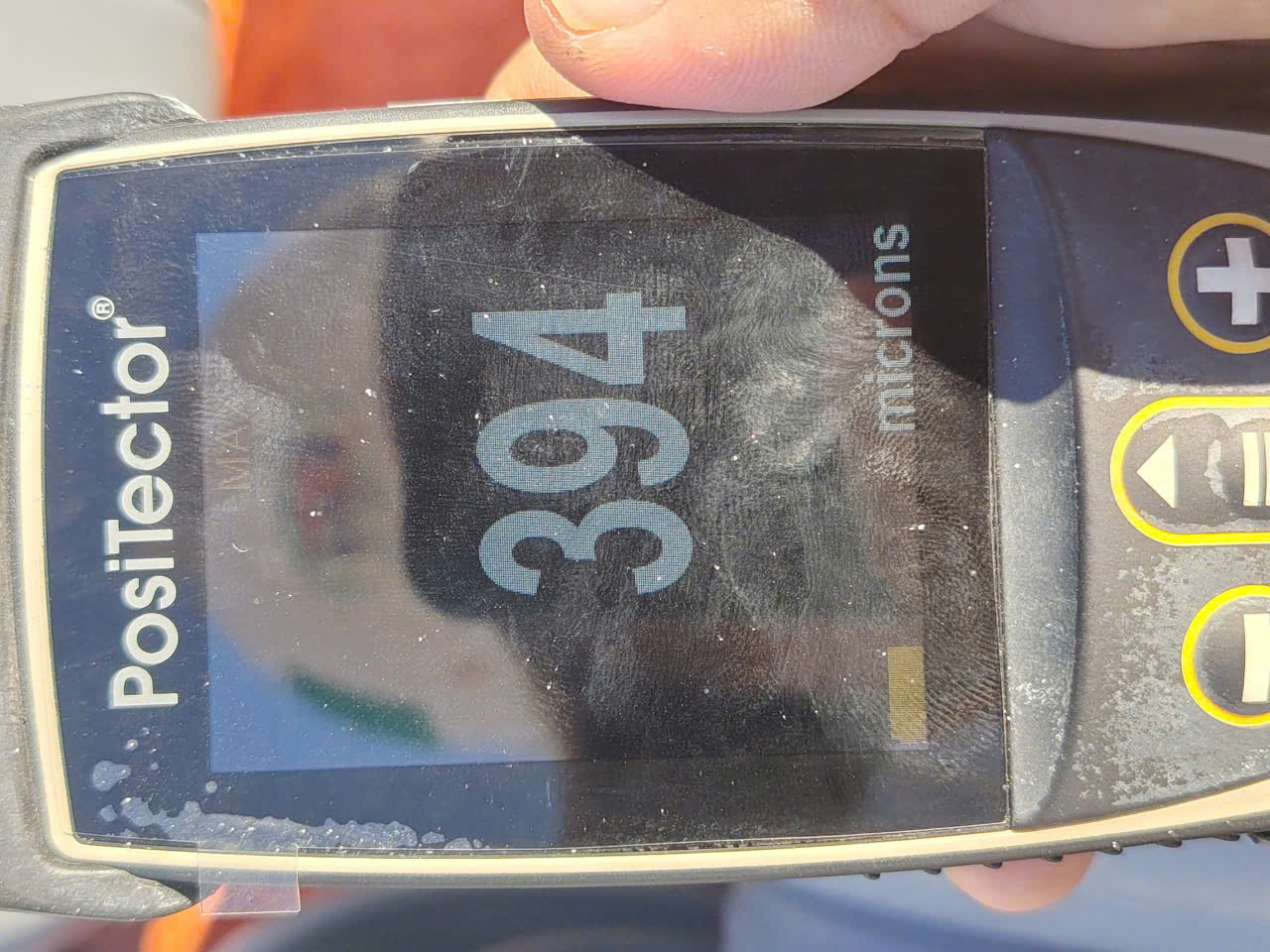
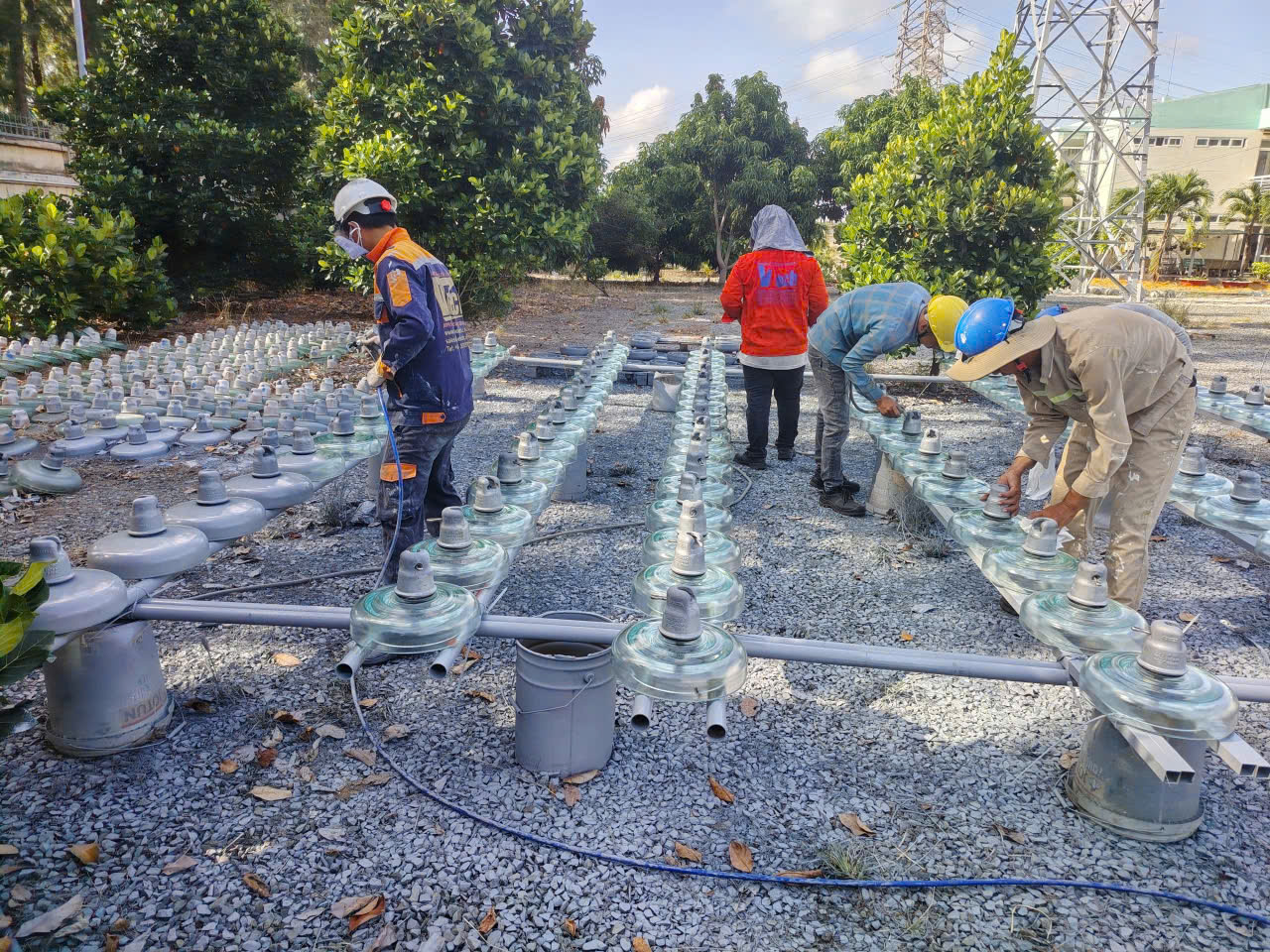
Apply a uniform layer of specialized RTV Silicone coating using high-pressure spray equipment. Strictly control the coating thickness to meet the specified standard range of 300–500 µm.
Step 4. Inspection, Acceptance, and Handover
Measure and verify coating thickness and adhesion strength, and evaluate surface hydrophobicity before the equipment is re-energized and returned to service.
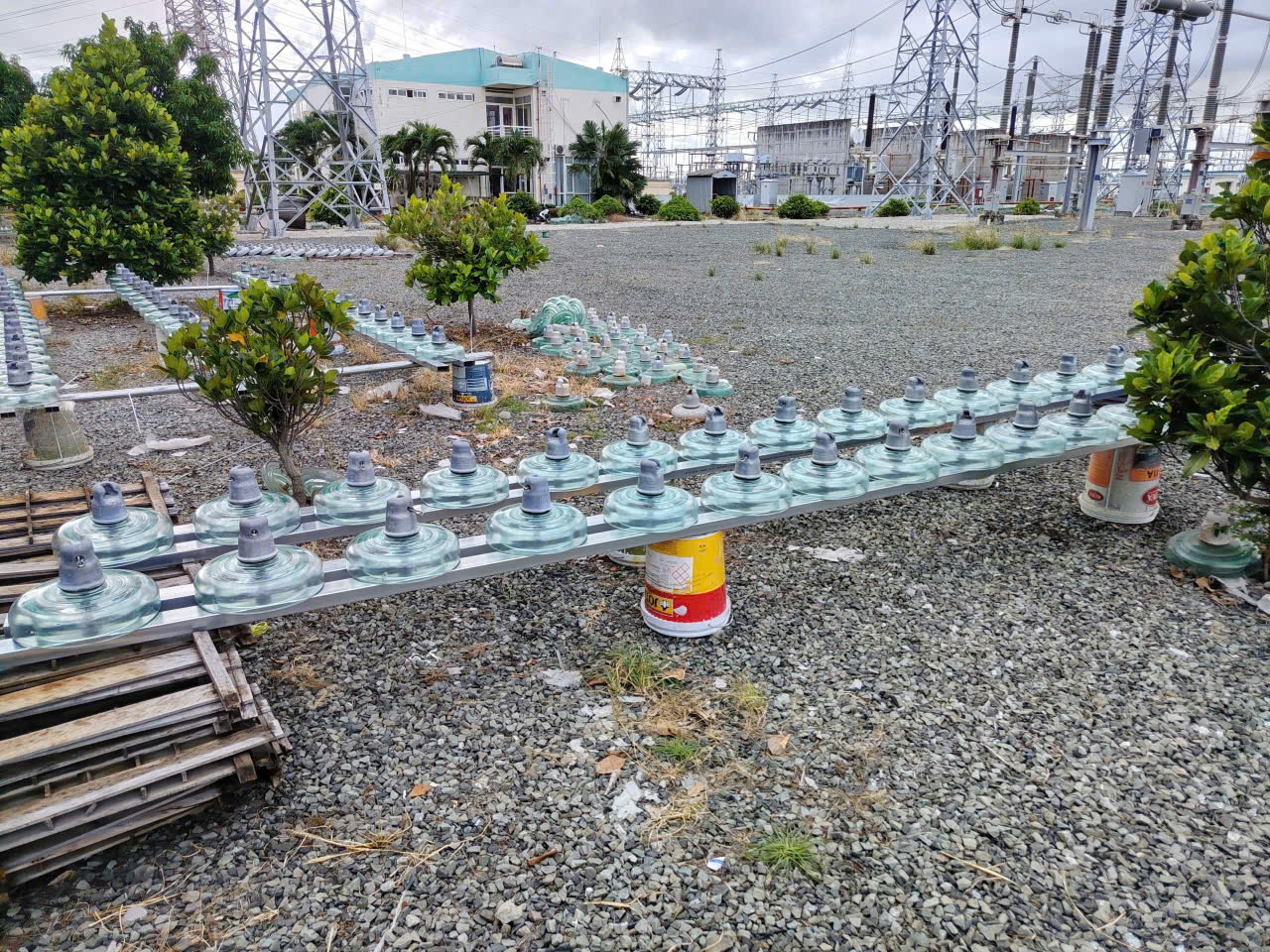
Project implementation photos: